Decoding US Daylight Saving Time: When Clocks Shift and Arizona Stands Apart
Understanding the concept of Official Time in the United States can feel like navigating a complex maze. Far from a single, unified standard, the nation operates across multiple time zones, further complicated by the seasonal shift of Daylight Saving Time (DST). This dynamic system affects everything from business operations and travel plans to daily routines, making it crucial to grasp the mechanics of when and why clocks change across the country. Let's delve into the intricacies of America's timekeeping, including the unique exception observed by the Grand Canyon State.
Navigating America's Diverse Official Time Zones
The vast geographical expanse of the United States necessitates a multi-zone approach to Official Time. While it might seem convenient to have a singular national clock, the reality of Earth's rotation dictates otherwise. The contiguous 48 states are primarily divided into four principal time zones, each representing a distinct hour from its neighbor:
- Eastern Time (ET): Encompassing major metropolitan areas like New York and Miami, ET is the furthest east.
- Central Time (CT): Covering the heartland, including cities such as Chicago and Houston, CT is one hour behind ET.
- Mountain Time (MT): Stretching from Denver to Phoenix, MT trails ET by two hours.
- Pacific Time (PT): The westernmost zone, home to Los Angeles and Seattle, PT is three hours behind ET.
Beyond these four, the inclusion of Alaska and Hawaii expands the count to six distinct time zones for the entire United States. This means that when it's high noon in New York (12:00 PM ET), Chicagoans are preparing for lunch at 11:00 AM CT, Denver residents are enjoying their mid-morning at 10:00 AM MT, and those on the West Coast in Los Angeles are just starting their day at 9:00 AM PT. This staggered progression across the country is a direct result of the Earth's rotation from west to east, ensuring that the sun's journey across the sky dictates local solar noon for each region.
Contrary to popular belief in some parts of the world, there is no singular "Official Time" across the entirety of the United States. This decentralized approach ensures that daylight hours are optimized regionally, but it also means that inter-state communication and travel require careful attention to time differences. To understand the full scope of this system, you might find it insightful to explore articles like No Single US Time: Decoding America's Multiple Time Zones and East vs. West: Why US Time Zones Differ by Hours, which delve deeper into the geographical and astronomical reasons behind these distinctions.
The Rhythm of Daylight Saving Time: Spring Forward, Fall Back
For most of the United States, the concept of Official Time is not static; it shifts twice a year with the observance of Daylight Saving Time (DST). The primary goal of DST, first widely adopted during World War I, is to make better use of daylight, traditionally by moving an hour of daylight from the morning to the evening. This aims to conserve energy, reduce traffic accidents, and boost economic activity by providing more usable daylight hours later in the day.
The rhythm of DST in the U.S. follows a predictable pattern:
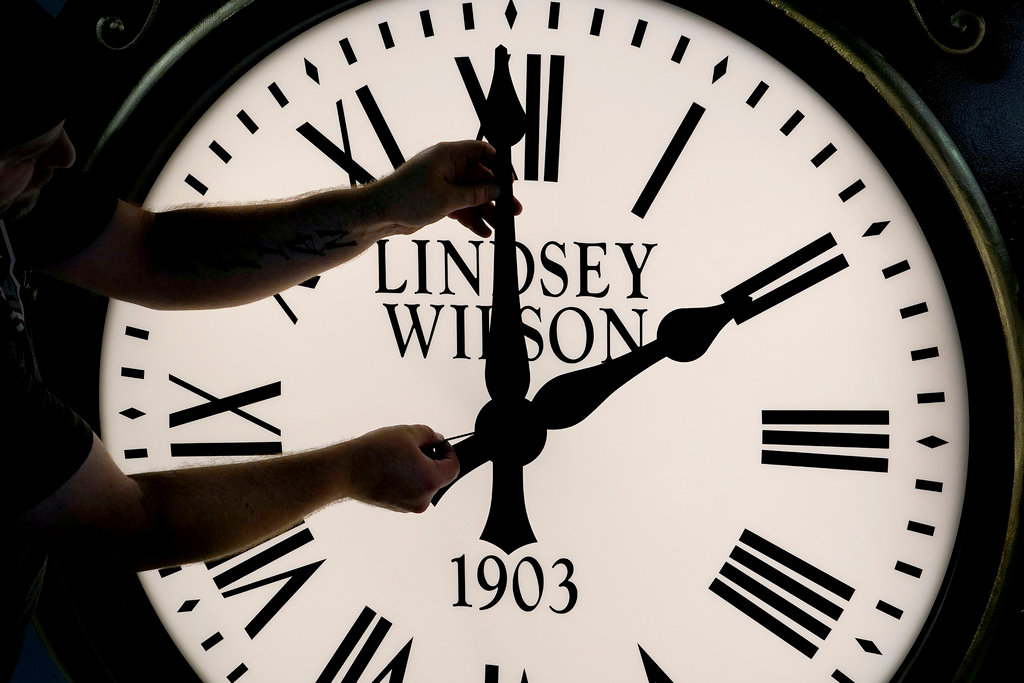
- Spring Forward: On the second Sunday in March, clocks are advanced by one hour at 2:00 AM local time. This means 2:00 AM instantly becomes 3:00 AM, effectively "losing" an hour of sleep but gaining an hour of daylight in the evening.
- Fall Back: On the first Sunday in November, clocks are set back by one hour at 2:00 AM local time. Here, 2:00 AM reverts to 1:00 AM, giving back the "lost" hour and ushering in earlier sunrises and sunsets.
While the biannual change is largely automated in our digital age – smartphones, computers, and many digital clocks adjust automatically – it still carries significant implications. The "spring forward" can disrupt sleep patterns and circadian rhythms, leading to what some refer to as "DST fatigue" or a slight increase in accidents in the days following the change. Conversely, "falling back" often brings a welcome extra hour of sleep, though it also signals the arrival of darker evenings. The debate over the continued relevance and benefits of DST is ongoing, with proponents citing energy savings and reduced crime, while critics point to negative health impacts and minimal real-world gains in the modern era.
Arizona's Unique Stance: A Land Apart from DST
Amidst the widespread observance of Daylight Saving Time, one major state stands out as a unique exception: Arizona. For the vast majority of its territory, Arizona chooses to remain on Mountain Standard Time (MST) year-round, never adjusting its clocks for DST. This means that Arizona's Official Time remains constant throughout the year, even as its neighboring states in the Mountain Time Zone "spring forward" and "fall back."
The rationale behind Arizona's decision is rooted in its unique climate. Unlike regions that might benefit from extending evening daylight to reduce energy consumption, Arizona experiences intensely hot summers. Adding an extra hour of daylight in the evening would only prolong the heat, potentially leading to increased air conditioning usage rather than energy savings. By staying on standard time, Arizonans avoid the need to adjust their schedules and further expose themselves to the scorching late-afternoon sun.
This creates an interesting dynamic for travelers and businesses. For half the year (during DST), Arizona's time aligns with Pacific Daylight Time (PDT), meaning it's the same time as California and Nevada. However, when the rest of the Mountain Time Zone (e.g., Colorado, Utah) moves to Mountain Daylight Time (MDT), Arizona remains on MST, making it one hour behind MDT. For example, if it's 3 PM in Denver (MDT), it's 2 PM in Phoenix (MST).
There is one notable exception within Arizona itself: the Navajo Nation. This autonomous territory, which spans parts of Arizona, New Mexico, and Utah, does observe Daylight Saving Time. This means that if you're traveling through Arizona and cross into the Navajo Nation, you'll need to adjust your clock by an hour during the DST period, adding another layer of complexity to understanding the state's official time.
Practical Tips for Managing US Time Changes
Navigating the various time zones and the biannual DST shifts requires a conscious effort, but a few practical tips can help ensure you're always on schedule with the correct Official Time:
- Verify Local Time: Before making important calls, scheduling meetings, or planning travel, always confirm the local time in your destination. Online tools, time zone converters, and simply asking a local are invaluable resources.
- Automate When Possible: Rely on digital devices like smartphones, smartwatches, and computers, which typically update automatically for DST changes. Keep older analog clocks in mind for manual adjustment.
- Plan for Travel: When crossing time zones, especially by air, factor in the time difference. Arriving an hour early or late due to a miscalculation can lead to missed connections or appointments.
- Understand Arizona's Rule: If you're dealing with Arizona, always remember its unique DST exemption (and the Navajo Nation's exception within it). This is critical for scheduling across state lines.
- Prepare for Sleep Adjustments: For the "spring forward," try to adjust your sleep schedule gradually in the days leading up to the change. For the "fall back," enjoy the extra hour, but try to maintain a consistent sleep routine afterwards to avoid disrupting your circadian rhythm.
Conclusion
The system of Official Time in the United States is a sophisticated and essential framework that ensures order across its vast geography. From the clear demarcation of its four primary contiguous time zones to the cyclical shifts of Daylight Saving Time and unique exceptions like Arizona's, understanding these nuances is crucial for both residents and visitors. While the biannual clock changes and regional differences can sometimes pose a challenge, they ultimately serve to optimize daylight and streamline operations across a diverse nation. By staying informed and utilizing available resources, you can master the complexities of US time and ensure you're always on schedule, no matter where you are.